






When I explain what prospect research is, I say it’s a smarter, more focused way to understand the people most likely to engage with what you offer. Instead of guessing who might respond, I rely on real data: firmographics, buying signals, engagement history, financial indicators, and other valuable details that help highlight high-value prospects. It works like a filter that shows you where your time and energy should actually go.
Teams lose far too many hours chasing the wrong leads, especially in B2B work. Only 23% of buyers want to talk to a sales rep early in the process, which means every first touch has to make sense to them.
Whether you’re working inside a nonprofit or growing a business, the idea is the same: research prospects before a call or meeting, understand what motivates them, and focus on the people who genuinely fit. With the right information, outreach becomes predictable, scalable, and a lot less frustrating.
B2B Prospect Research Definition: What It Really Means
When I talk about prospect research meaning, I’m thinking about a structured, thoughtful workflow, not pulling a random list or scrolling through LinkedIn hoping for the best. For me, it’s a process of gathering, verifying, and enriching information about people or companies that genuinely align with your goals, using the right tools, databases, and a clear profile of your ideal contact.
Here’s how it usually works:
- You identify potential customers or supporters.
- You evaluate their fit, interest, and buying or giving capacity.
- You prioritize them based on clear criteria and intent.
Once this foundation is set, everything becomes easier. Outreach feels more personal because it’s based on real insights, not assumptions. Your team spends less time chasing poor-fit leads and more time talking to people who are actually ready for a conversation.
What Data Does Prospect Research Include?
Prospect research works best when you build a complete, practical picture of a person or a company. You’re looking at how they behave, what they react to, and whether the timing makes sense for outreach. This means pulling information from various sources, including tools, databases, and software, to build a clear profile.
Here are the main types of data you typically rely on:
- Demographics and firmographics: industry, company size, region, role, revenue, and other B2B basics.
- Buying or giving history: how they’ve supported similar causes or purchased comparable products before.
- Engagement signals: email opens, website visits, content interactions, event attendance, and past activity examples.
- Financial and capacity insights: budget ranges, recent funding rounds, revenue trends.
- Trigger events and intent signals: such as hiring activity, product launches, leadership changes, and tech-stack updates.
- Interests, preferences, and motivations: what topics catch their attention and which challenges they’re actively trying to solve.
- Relationship mapping and connections: mutual contacts, shared networks, organizational structure.
When you combine all of these insights, you get a profile that helps you understand who to contact, how to approach them, and when to start the conversation. Instead of sending outreach into the void, you reach people at the right moment with the right message.

SalesAR Insight: From what I’ve seen at SalesAR, this mix of data makes a measurable difference: campaigns built on strong research deliver 3–5x higher reply rates compared to broad, generic outreach.
Why Do Non-Profits Need Prospect Research?
Non-profits carry a heavy load — small teams, tight budgets, and the pressure to raise enough support to keep programs running. On top of that, they compete with countless other causes for attention. Prospect research helps protect a team’s time by showing exactly who is most aligned with the mission and who realistically has the capacity to contribute in a meaningful way.
It’s not enough to know who cares about your work. You also need a clear sense of whether someone can stay engaged long-term and at what level. Without this clarity, teams often pour hours into people who love the mission but simply can’t back it at the scale needed, while those with real potential stay unnoticed in spreadsheets or databases.
Prospect research closes that gap. It highlights supporters whose values match your mission and who have the interest and financial ability to make an impact. This shifts outreach from broad, hopeful messaging to focused, well-prepared conversations. A researcher can use tools, software, and internal templates to build a reliable profile that guides the entire workflow.
Here are a few key benefits:
- Better use of limited team capacity: outreach goes to the people most likely to respond.
- Stronger relationships: communication feels personal and grounded in shared values.
- More predictable results: with a clearer pipeline, planning becomes easier.
- Higher long-term engagement: you focus on supporters who are ready to stay involved.
Non-profits that rely on consistent prospect research often see far steadier growth. With the right insights, a team can stretch limited resources much further without burning out or lowering its goals.
How Can Prospect Research Help Build Strong Relationships?
Prospect research goes far beyond identifying who is likely to contribute. It helps non-profits build genuine relationships. When you understand what motivates someone, what causes they care about, and how they prefer to engage, every message becomes more personal and more grounded in shared values.
Instead of sending broad appeals, you craft conversations that reflect the interests, challenges, and priorities of the person you’re reaching out to. Whether someone feels strongly about education, healthcare, climate issues, or local community work, you can shape your outreach in a way that shows you’ve taken the time to learn who they are. With a clear profile built through tools, software, databases, templates, and a practical toolkit, communication naturally becomes more relevant and more thoughtful.
This kind of personalization does more than increase the chance of a one-time contribution. It creates a sense of partnership. People feel recognized rather than treated like names in a spreadsheet. They see how their involvement fits into the bigger picture, and that understanding builds long-term commitment that’s difficult to break.
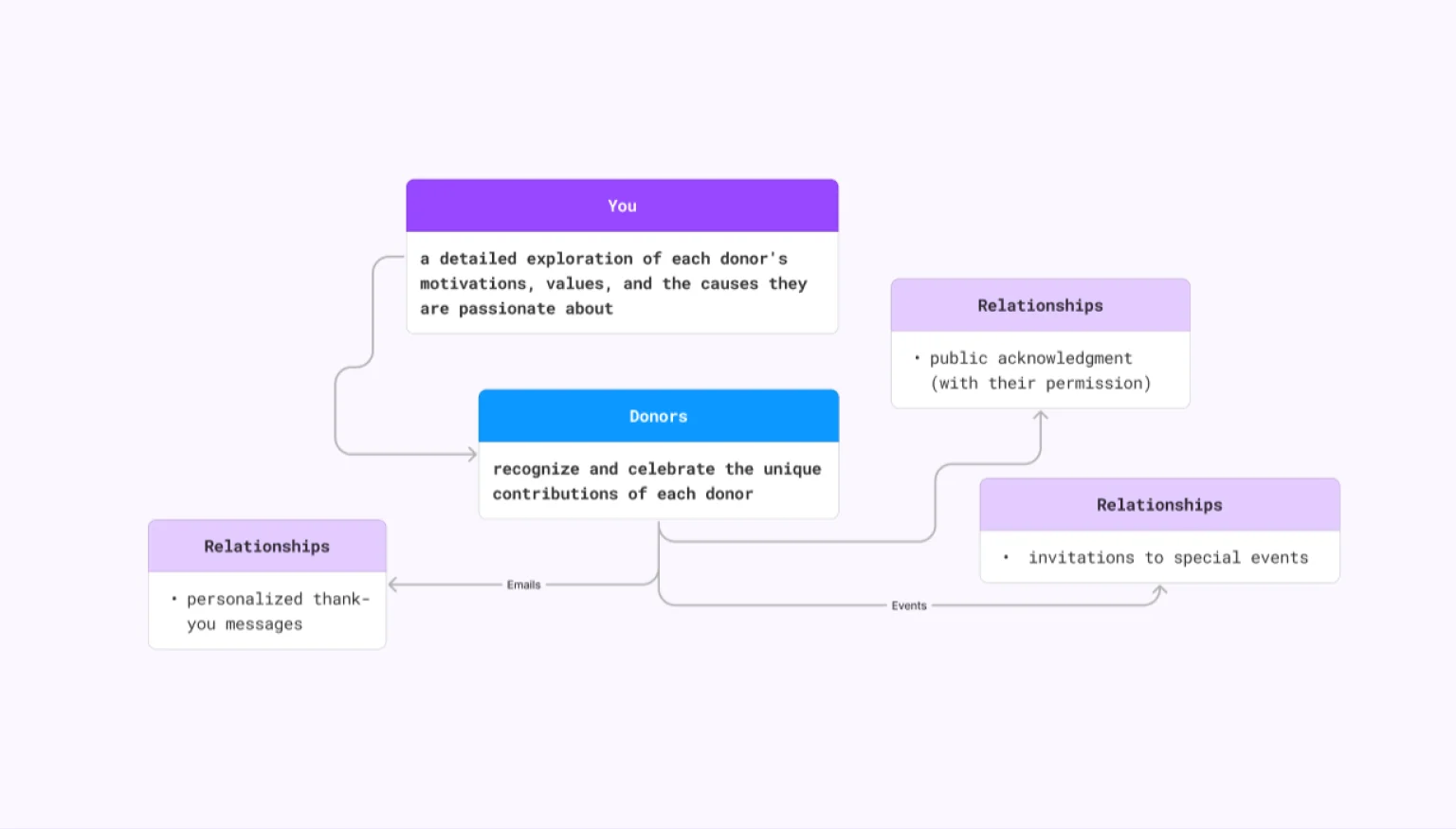
And the impact goes far beyond financial support. Once people feel genuinely connected to your mission, they talk about it. They bring friends to events, share campaigns online, and introduce your team to new potential supporters. Individuals who feel personally tied to your work are significantly more likely to stay engaged, respond to email outreach, offer feedback, and advocate publicly for the organization.
Prospect research gives non-profits the insight they need to spark these connections and nurture them in a way that feels natural, human, and sustainable.
How Can Prospect Research Help Non-Profits to Be More Efficient?
When teams are small and budgets are tight, every hour and every conversation counts. Prospect research helps make that possible by showing exactly where your effort will have the biggest impact. Instead of spreading your outreach thin, you use clear data to understand who is engaged and who may need a different approach.
Once you start analyzing supporter information in a structured way, patterns appear quickly. You can see who’s consistently engaged and capable of contributing more, who’s interested but limited, and who may have shifted their priorities. With this level of clarity, outreach stops feeling like guesswork and turns into a series of well-timed decisions based on real insight. A researcher using the right tools, databases, templates, and software can build a reliable profile that guides these choices.
This shift changes day-to-day fundraising in a meaningful way:
- Outreach becomes sharper: you contact the supporters most likely to respond.
- Conversations feel more prepared: you know what matters to each person.
- Campaigns perform better: fewer wasted messages, more meaningful results.
Keeping supporter information up to date is another key part of the process. People’s interests and financial situations change over time, and fresh data helps your team act quickly when opportunities show up. Instead of reacting too late, you stay ahead and adjust your strategy with confidence.
In short, prospect research replaces the old “send everything to everyone” routine with a targeted, data-driven workflow. It helps nonprofits work smarter, reduce burnout, and stretch limited resources without lowering their goals.
How to Do Prospect Research in a Step-by-Step Way?
For B2B companies, prospect research is one of the most reliable ways to strengthen outbound sales and marketing. Instead of sending cold email sequences to anyone with a certain title, you build your outreach around people who genuinely fit your product. That alone can change the entire trajectory of your pipeline. When a researcher uses the right tools, software, and databases to build an accurate profile, the whole strategy becomes cleaner and far more predictable.
The process usually comes down to three core stages:
ICP Establishment
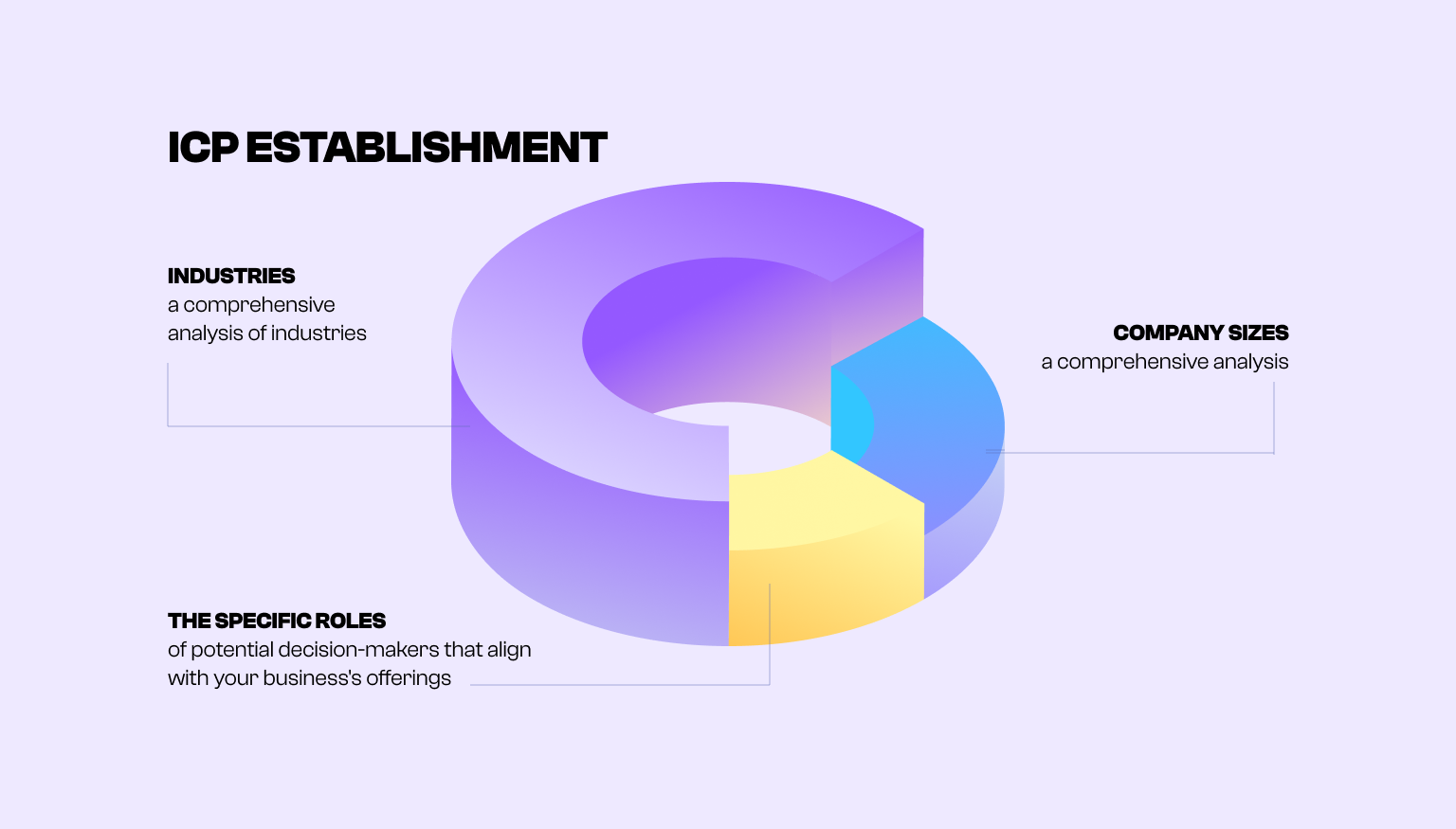
Everything starts with a clear Ideal Customer Profile. You define the industries, company sizes, regions, tools they use, tech stacks, and decision-makers who get the most value from what you offer. A strong ICP gives sales and marketing a shared direction. It also helps shape messaging so it speaks to specific challenges and real use cases. Many teams even create internal templates to maintain consistent criteria.
Research Launch
Then comes the initial outreach to a small, well-selected group of prospects. This part is not about volume; it’s about learning. The responses you get reveal how accurate your ICP really is. Sometimes the assumptions are correct. Other times, a small detail like company size, seniority, or tech usage needs adjusting. This early feedback helps refine the strategy before scaling.
List Refinement
After that, it’s all about keeping the data fresh. Roles shift, companies grow, budgets change, and leadership moves. A contact list ages quickly. Continuous refinement ensures your team always has access to the correct names, titles, and companies. This is where software, databases, and a repeatable toolkit help keep the process consistent over time.
When these three stages work together, your outbound strategy becomes far more efficient. Sales and marketing spend less time chasing low-quality leads and more time talking to prospects who are not only a fit but actually ready to engage. With the right profile and well-organized data, outreach feels intentional rather than random.

SalesAR Insight: Companies that invest in proper prospect research typically see a 30–50% increase in qualified leads compared to broad outreach. It’s the difference between staying busy and creating real opportunities.
Free Prospect Research Tools
There are plenty of free prospect research tools that can help you start gathering useful insights without adding extra cost to your workflow. They won’t replace a complete toolkit, but they’re surprisingly effective for building an early profile, checking basic firmographics, and spotting intent signals. A researcher can combine several free platforms to verify email details, explore public databases, review LinkedIn activity, and confirm whether a prospect matches the ICP you’re targeting.
- LinkedIn Search & Filters: applicable for role checks, recent activity, and basic profile details.
- Google Search Operators: helps verify company info, announcements, and intent signals.
- Google Alerts: tracks updates like hiring, news mentions, product launches, and leadership shifts.
- Crunchbase Free Tier: offers basic insights on funding rounds, growth signals, and company firmographics.
- BuiltWith (Free Lookups): shows tech stack details that help refine ICP fit.
- Hunter Free Credits: useful for basic email verification and contact discovery.
- Clearbit Free Lookup: provides quick company context and public data.
- RocketReach Free Searches: limited but helpful for initial contact checks.
- Sales Navigator Free Preview Pages: accessible without a paid plan for some company insights.
- Company Websites & Press Pages: a reliable source for product updates, team changes, and announcements.
- Social Media Profiles: especially LinkedIn and X for engagement clues and intent signals.
- Chrome Extensions (Free Versions): simple tools for pulling public data or formatting ICP templates.
- Public Databases (Gov/NGO): a way to verify legitimacy, size, or organizational structure.
- Wayback Machine: helpful for understanding a company’s evolution over time.
- YouTube Interviews & Podcasts: useful for leadership insights, product context, and pain points.
When used with simple templates or software extensions, these tools help you collect reliable data, understand engagement patterns, and decide whether someone is worth adding to your outreach strategy. They’re a great way to refine your process before investing in paid options.
Conclusion
When you understand who your strongest prospects are, what matters to them, and when they’re most likely to respond, everything becomes easier. Outreach feels more relevant, conversations move faster, and your team stops wasting time on low-potential leads. With a solid profile backed by reliable data from tools and software, and a consistent toolkit, this shift becomes easy to maintain.
Prospect research isn’t just another part of marketing. It’s the foundation behind better strategy, stronger B2B pipelines, and far more predictable results.
If you’re aiming to strengthen your outbound efforts with accurate, manually verified data, SalesAR can help. Our prospect research is tailored to your ICP so your team can focus on decision-makers who are genuinely ready to engage and respond.
Book a call with SalesAR and see how our lead generation and appointment setting experts can accelerate your B2B pipeline.
FAQ
What is prospect research?
A typical example is analyzing a company’s public and third-party data to determine whether they are a good fit for your outreach. This helps you prioritize individuals or organizations with the highest likelihood of responding or contributing.
What data is collected during prospect research?
Prospect research often includes firmographics, roles, giving or purchasing history, financial capacity, engagement signals, and trigger events such as recent funding, expansion, or leadership changes. This mix of data supports tailored outreach and better targeting.
What is a prospect researcher?
A prospect researcher gathers and analyzes information to identify the right people for outreach. They use tools, databases, software, and a practical toolkit to build an accurate profile of each prospect. Their role is to give sales or nonprofit teams clear insight into who is a strong fit, why they matter, and how to approach them with relevant communication.
How do I know if my company needs prospect research?
Prospect research is especially useful if your reply rates are low, your team spends a lot of time on unqualified leads, or you lack a clear picture of your ideal customer. Research brings structure to your targeting and helps improve conversion rates across campaigns.
What’s the difference between prospect research and lead generation?
Lead generation is about identifying and capturing potential prospects. Prospect research is about analyzing and qualifying those prospects. In simple terms, lead generation fills the top of the funnel, and prospect research shows you which of those leads are worth pursuing.